

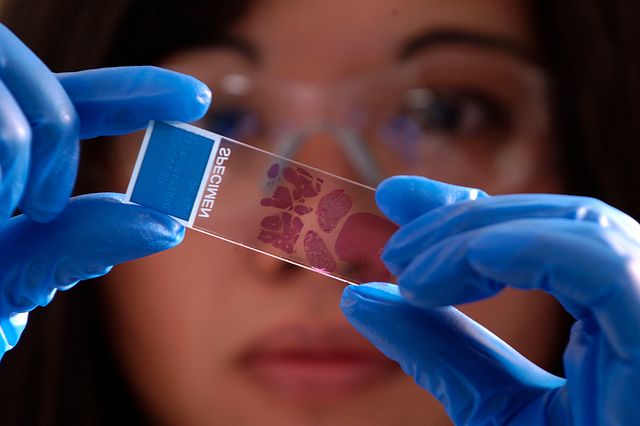
What is Pathology?
Pathology is a branch of laboratory medicine that studies and analyzes the tissues and cells of the body to determine the nature and diagnosis of diseases. This science is based on examining tissues taken from the patient using sophisticated techniques such as microscopy, special dyes, and chemical tests.
Pathology aims to provide accurate information that helps doctors understand the nature of the disease, its prevalence, and its impact on tissues, and is an essential part of determining diagnosis and treatment options.
Types of pathology tests
Tissue biopsy examination: Analysis of samples of body tissue to diagnose tumors and infections.
Cytopathology: The study of individual cells to detect abnormal changes.
Frozen Section Analysis: A quick examination during surgeries to help the surgeon make a decision.
Chemical and histological tests: Used to identify the components of tissues and pathological substances within them.
The importance of pathology tests
Pathology tests play a vital role in:
Accurate diagnosis of cancerous and non-cancerous diseases.
Determine the stage and severity of the disease.
Monitor the effectiveness of medical and surgical treatments.
Detection of chronic diseases and infections.
Reliably support treatment decisions.
How to perform the analysis
A tissue or cell sample is obtained by a doctor, and then sent to a pathology laboratory where the slices are prepared and examined microscopically by specialized specialists. The process involves the use of advanced dyeing techniques to analyze fine details.
What is special about Afaq Medical Care Center in Ibri – Driz?
A laboratory equipped with the latest equipment and technology in the field of pathology.
A highly experienced laboratory medical team specialized in diagnosing diseases.
Adhering to the highest standards of quality and safety in handling samples.
Fast delivery of results with high accuracy in diagnosis.
The ability to communicate with specialized doctors to discuss the results of the tests.