

What is Cytology?
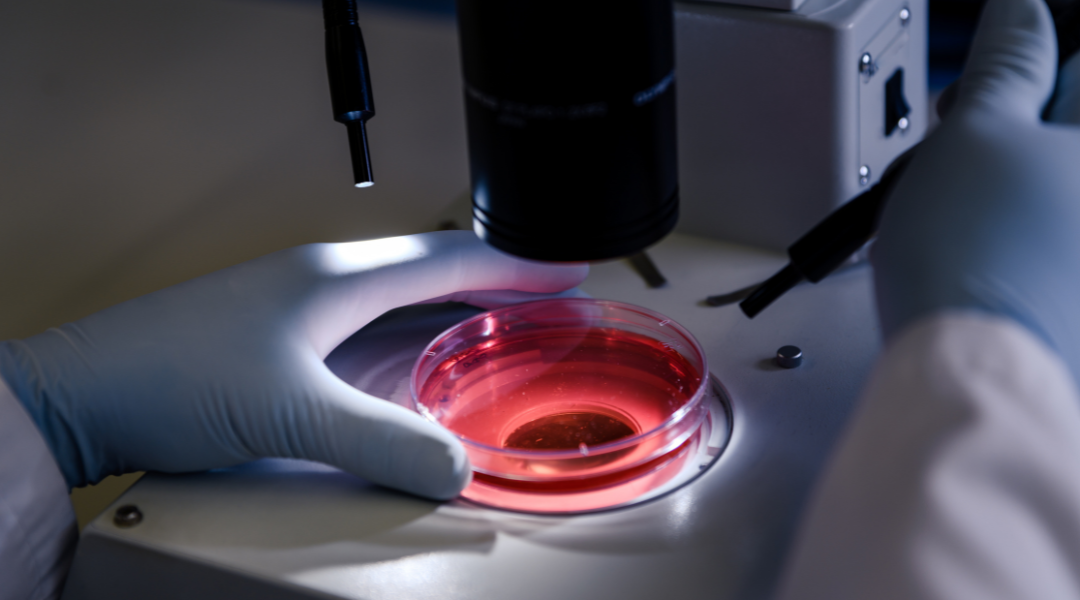
Cytology is the study and analysis of cells in the body with the aim of assessing their condition and detecting abnormal changes that may indicate the presence of diseases, whether chronic infections or cancerous changes. This is done by examining cells taken from body fluids or tissues under a microscope in the laboratory.
Types of Tests in Cytology
Pap smear: A routine test used to detect cellular changes in the cervix early that may be a sign of cancer.
Fluid cell analysis: such as sputum fluids and crystalline fluids, which are examined for changes in the cells.
Microneedle aspiration (FNAC): Collecting cells from a lump or tumor for laboratory analysis.
Urine cell analysis: to check for changes in urinary tract cells.
The importance of cytology tests
Cytology tests play an important role in helping in the early diagnosis of many conditions, as it enables doctors to know the nature of the cells and determine if they are normal or have changes that need to be monitored.
How are samples collected?
Methods of sample collection vary depending on the type of test, such as a Pap smear, body fluid collection, or microneedle suction of samples from suspicious tumors or lumps.
How to prepare the sample and examine
The sample is prepared in the laboratory by attaching it to special strips, then dyed with specific dyes that help highlight the details of the cells, and then examined under a microscope thoroughly by specialized specialists.