

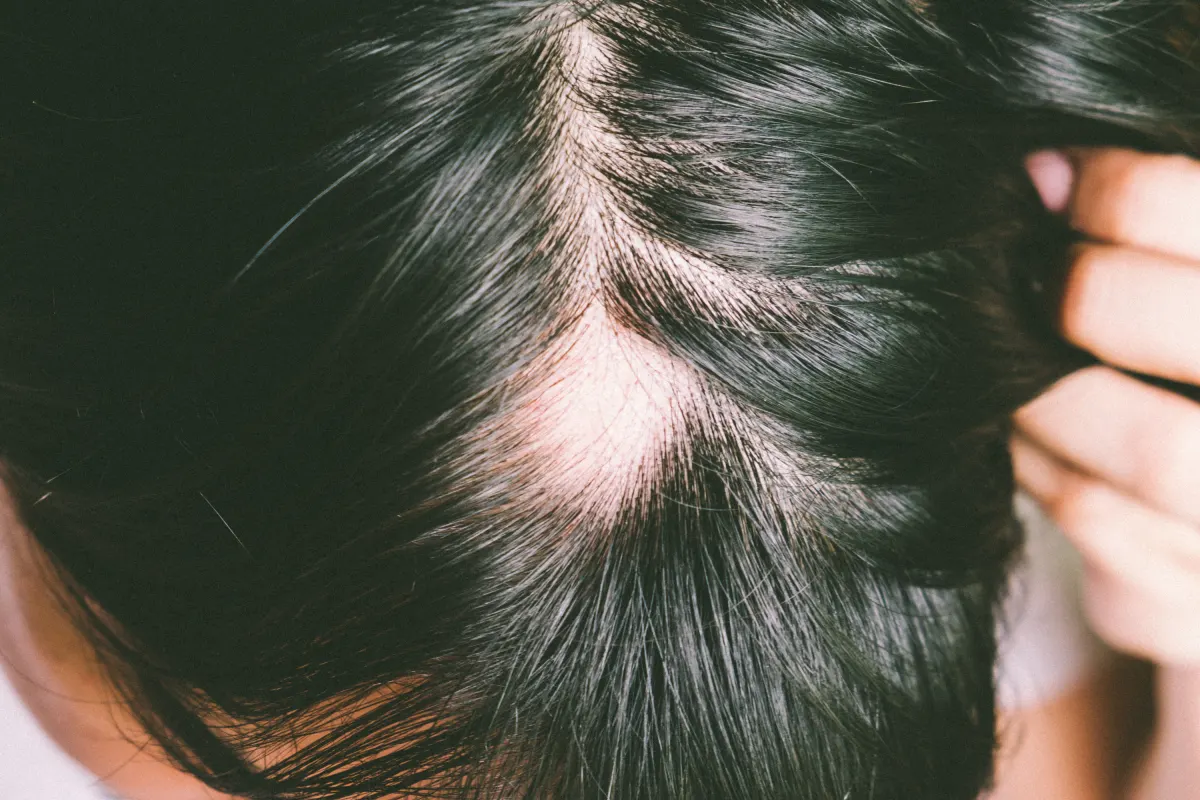
Alopecia areata is an autoimmune condition that causes sudden hair loss in specific areas of the scalp or body, usually as circular patches of hairless. In some cases, it may develop to include the entire scalp or even the entire body (alopecia totalus). Alopecia areata affects both men, women and children and may be caused by immune, genetic or psychological factors such as extreme stress.
At the Horizon Medical Care Center in Ibri, We offer customized treatment programs to treat alopecia areata and stimulate hair growth using modern techniques and effective medications, under the supervision of dermatologists.
Common types of alopecia areata:
Alopecia areata: They appear as hairless patches on the scalp or chin.
Totalis: Total loss of scalp hair.
Universalis: Loss of entire body hair.
Alopecia spot or prolapse: These are rare and severe forms of hair loss.
Methods of treatment of alopecia areata at Afaq Center
We offer various treatment protocols depending on the type and severity of the condition:
Topical cortisone injections: to stop the immune attack and stimulate hair return.
Topical treatment (minoxidil or anthraline): to stimulate hair growth in the affected spots.
Topical immunotherapy (DPCP): Used in chronic conditions to stimulate a different immune response.
Platelet-rich plasma (PRP): to stimulate the follicles and improve the blood perfusion of the scalp.
Low-level laser therapy (LLLT): to revitalize weakened follicles and strengthen new hair.
Psychological support and follow-up: The psychological factor may be causing or exacerbating the condition.
Treatment Steps at A’Aak Center
Accurate diagnosis of the condition: through clinical examination and possibly blood tests to determine the cause and type of alopecia areata.
Personalized treatment plan: Choose based on the patient’s age, duration of the condition, and previous response.
Regular treatment sessions: include injections, lasers, or plasma as per the protocol chosen.
Follow-up and evaluation: To monitor growth and adjust treatment as the condition progresses.